Why Modern Healthcare Growth Depends on Operational Automation, Not Just Marketing
Most healthcare clinics think growth problems are marketing problems. Sometimes they are. But very often, the real issue is operational friction.
Because many clinics still lose time through:
- Manual intake
- Missed follow-ups
- Delayed responses
- Disconnected systems
- Repetitive admin work
- Inconsistent patient communication
The result? Staff burnout, lost leads, missed appointments, slow response times, poor patient experience, and operational chaos hidden behind a functioning clinic.
This is why healthcare automation became one of the biggest operational advantages in 2026. Not because automation replaces people, but because it removes unnecessary friction from the patient journey.
Healthcare Automation Is Not Just “Software”
One of the biggest misconceptions clinics have is thinking automation simply means “using more tools.” That is not the goal. Healthcare automation is actually about creating smoother systems.
The best automation systems reduce:
- Repetitive admin work
- Response delays
- Missed communication
- Scheduling inefficiencies
- Operational bottlenecks
When done properly, automation helps clinics save time, improve the patient experience, increase conversions, reduce staff overload and strengthen follow-up consistency.
Why Clinics Lose Time Without Realizing It
Most clinics do not notice how much time disappears each day due to small inefficiencies. For example:
- Manually confirming appointments
- Chasing reviews
- Answering repetitive questions
- Handling intake paperwork
- Following up with missed leads
- Transferring patient information manually
- Responding to after-hours inquiries
Individually, these seem small. Collectively, they create operational drag across the entire clinic, especially for growing healthcare practices and multi-location clinics.
Automation Is Becoming Part of Healthcare Patient Experience
Patients increasingly expect faster communication, easier booking, quicker responses, digital convenience, and smoother interactions. This is especially true in competitive healthcare markets like Bergen County, where patients compare providers. When friction causes visitors to drop off before contacting your team, it mirrors why most clinic websites lose patients before the call.
Automation now directly affects:
- Patient trust
- Conversion rates
- Patient reviews
- Long-term retention
- Operational efficiency
This is no longer only a backend process issue. It is part of the patient experience itself.
Intake Form Automation Saves Massive Administrative Time
Many clinics still rely heavily on paper intake forms, repeated manual entry, or fragmented intake systems. This creates delays, errors, repetitive work, and patient frustration. Building digital intake pathways directly into your web presence is a cornerstone of what makes a healthcare website actually convert patients.
Modern healthcare intake automation helps:
- Collect patient information digitally
- Pre-qualify appointments
- Organize insurance details
- Route inquiries correctly
- Reduce front-desk workload
Strong intake systems can automatically send confirmation emails, trigger reminders, assign patient types and organize internal workflows. This improves both operational efficiency and the overall patient onboarding experience.
Appointment Reminder Automation Reduces No-Shows
No-shows quietly cost clinics enormous amounts of money. Many clinics still rely on manual reminder calls, inconsistent confirmations, or outdated reminder systems.
Automated reminder systems help reduce missed appointments, scheduling confusion, and communication gaps. Modern healthcare reminder systems often include:
- SMS reminders
- Email reminders
- Direct confirmation links
- Self-service rescheduling options
- Two-way calendar syncing
- Automated follow-up reminders
Patients appreciate convenience, and it significantly improves attendance rates.
CRM Automation Helps Clinics Stop Losing Leads
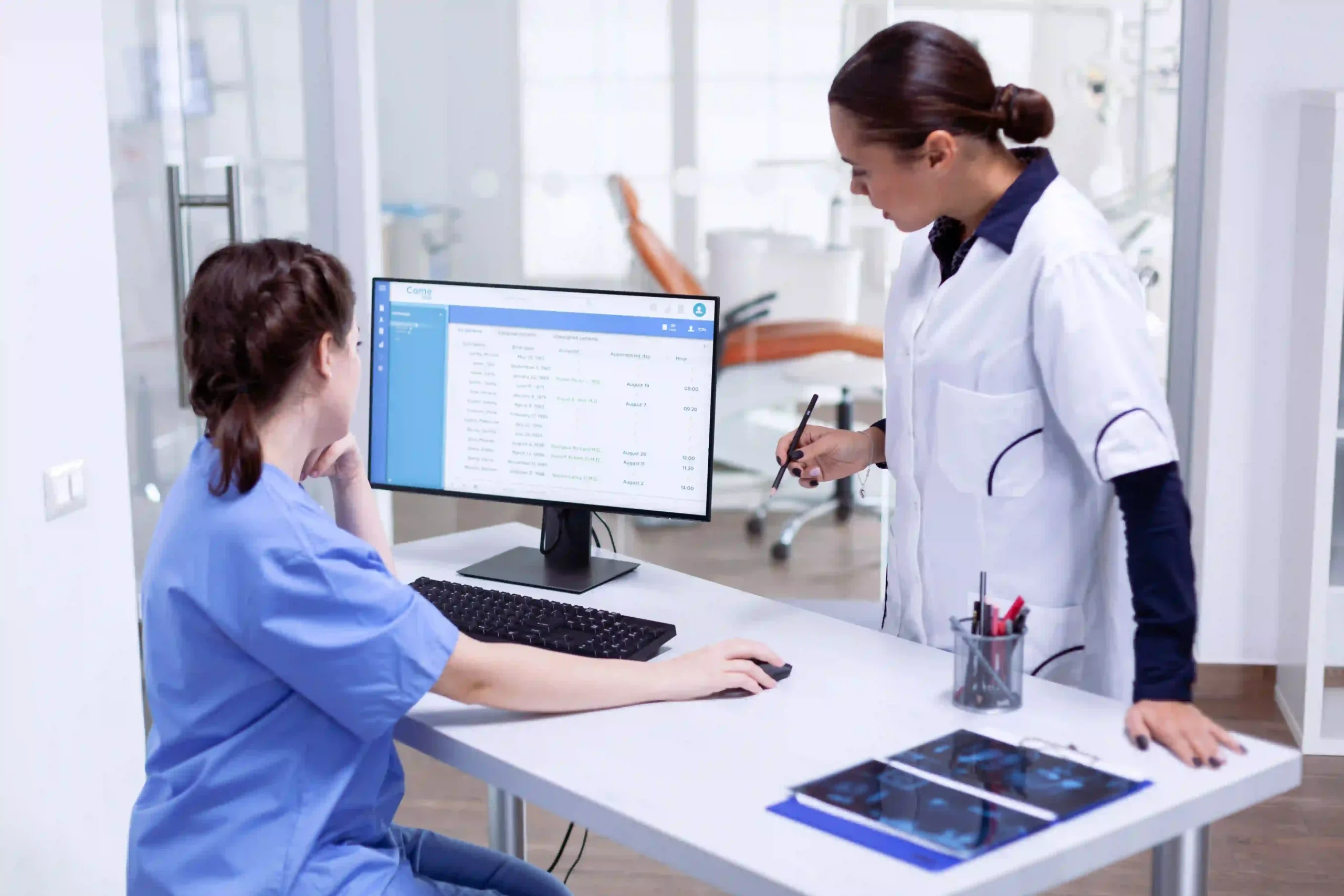
One of the most overlooked healthcare problems is lead leakage. Patients inquire, but nobody follows up properly. Follow-up becomes inconsistent, or patient interest disappears during delays.
Healthcare CRM automation helps clinics organize inquiries, track patient communication, automate responses, and improve follow-up consistency. This is especially vital for:
- Elective treatments
- Med spas
- Cosmetic procedures
- Therapy clinics
- Chiropractic care
- Private healthcare practices
Strong CRM systems reduce forgotten leads, delayed communication, and inconsistent patient nurturing.
Review Automation Strengthens Local SEO and Trust
Reviews are now one of the strongest trust signals in healthcare online. But many clinics ask for reviews inconsistently or not at all, which weakens reputation growth and leads straight into common Google Business Profile mistakes clinics make.
Automated review systems help clinics:
- Request reviews automatically after appointments
- Send gentle automated reminders
- Improve overall review response rates
- Maintain steady review consistency
This directly impacts Google Maps visibility, local SEO, patient trust, and conversion rates, especially in healthcare where patients heavily compare providers through reviews.
AI Chat Systems Are Changing Patient Communication
AI chat systems are becoming increasingly useful in healthcare when implemented properly. They align closely with how AI is changing healthcare search and discovery. Patients often ask repetitive questions like:
- “Do you accept insurance?”
- “What treatments do you offer?”
- “Are same-day appointments available?”
- “Do you treat my condition?”
- “Where are you located?”
- “What are your office hours?”
AI-assisted chat systems can answer common questions, qualify inquiries, guide appointment pathways, and support after-hours engagement. This helps clinics respond faster without overwhelming staff.
However, healthcare AI chat should support trust and never feel robotic. That distinction matters heavily.
Patient Follow-Up Automation Improves Retention
Many clinics focus heavily on acquiring patients, but retention often receives far less attention. Automated follow-up systems help clinics check on patient progress, encourage repeat visits, support treatment continuity and improve patient relationships.
Examples include:
- Post-treatment check-ins
- Preventive wellness reminders
- Annual screening reminders
- Routine follow-up care reminders
- Dormant patient reactivation campaigns
Strong follow-up systems improve retention, patient satisfaction, and lifetime patient value.
Automation Does Not Replace Human Trust

This is important: healthcare automation should not make clinics feel less human. The goal is not to replace people. The goal is to remove operational friction so staff can focus more on patient care.
The best healthcare automation systems still feel supportive, clear, reassuring, and patient-friendly. Bad automation feels cold; good automation feels seamless.
Why Multi-Location Clinics Need Automation More
As healthcare groups expand, operational complexity increases rapidly. Multi-location clinics often struggle with:
- Inconsistent communication
- Fragmented patient systems
- Disconnected scheduling
- Uneven follow-up cadences
- Inconsistent local reviews
- Manual cross-location coordination
Automation helps create operational consistency across locations, especially for appointment workflows, intake processes, review systems, and patient communication. Without automation, scaling becomes operationally exhausting.
Automation Also Supports Healthcare Marketing
One of the biggest misconceptions is separating operations from marketing. In reality, automation directly affects conversions, reviews, retention, engagement, and local SEO:
- Faster responses improve lead conversion rates.
- Automated review requests reveal how medical practices rank in Google Maps.
- Proactive follow-ups improve long-term retention.
- Smoother onboarding builds immediate patient trust.
A cohesive modern healthcare marketing system connects everything together into one unified engine.
The Bergen County Example
Imagine two clinics in Bergen County:
Clinic A:
- Relies on manual intake paperwork
- Suffers from inconsistent follow-ups
- Has weak, ad-hoc review collection
- Struggles with delayed response times
- Carries an overloaded, stressed front desk
Clinic B:
- Sends automated appointment reminders
- Uses digital intake systems
- Runs automated CRM follow-ups
- Provides AI-assisted real-time communication
- Triggers automated review requests
- Maintains streamlined patient workflows
Clinic B usually responds faster, retains patients better, generates more reviews, and creates smoother patient experiences. Not because the doctors are necessarily better, but because operational systems dramatically reduce friction.
The Biggest Automation Mistake Clinics Make
The biggest mistake clinics make is automating randomly. Adding disconnected tools creates confusion, fragmented workflows, and operational clutter.
Healthcare automation works best when designed strategically around patient experience, trust, staff efficiency, and conversion flow. Automation should simplify systems, not complicate them further.
What Strong Healthcare Automation Systems Usually Include
The best-performing clinics often implement:
- Digital intake systems: To reduce paperwork and admin delays.
- Appointment reminders: To lower no-show rates.
- CRM workflows: To improve patient communication consistency.
- Review automation: To strengthen local trust and SEO visibility.
- AI-assisted chat: To support fast, 24/7 patient responses.
- Follow-up systems: To improve retention and continuity of treatment.
- Centralized communication: To reduce operational confusion across staff.
- Workflow integration: To connect disparate software tools together seamlessly.
If you are ready to audit your clinic’s digital processes and workflows, contact us to see how streamlined operational systems can transform patient growth.
The Future of Healthcare Operations
Healthcare automation is no longer optional for growing clinics. As patient expectations increase, clinics will increasingly need faster systems, smoother workflows, better communication and greater operational efficiency, especially as AI-driven healthcare experiences continue to evolve.
Clinics that adapt early will save time, improve patient satisfaction and scale more sustainably.
Final Thoughts
Healthcare automation is not about replacing human care; it is about removing unnecessary friction around human care.
The clinics winning in 2026 are not simply marketing better. They are operating smarter. Patient experience now depends heavily on communication speed, workflow simplicity, appointment clarity, follow-up consistency, and operational trust. The clinics that streamline those systems create a major long-term advantage.
FAQs
What are healthcare automation systems?
Healthcare automation systems help clinics streamline repetitive tasks like intake forms, appointment reminders, CRM workflows, review requests, AI chat support and patient follow-ups.
How does automation help healthcare clinics save time?
Automation reduces manual administrative work, improves communication speed, lowers no-show rates, and creates more efficient patient workflows.
Are appointment reminder systems important for clinics?
Yes. Automated reminders significantly reduce missed appointments and improve scheduling efficiency.
What is healthcare CRM automation?
Healthcare CRM automation helps clinics organize patient inquiries, automate follow-ups, improve communication consistency, and reduce lead leakage.
How does review automation help local SEO?
Automated review systems help clinics generate more consistent patient reviews, improving Google Maps visibility, trust and local SEO performance.
Can AI chat systems improve healthcare patient experience?
Yes. AI-assisted chat systems can answer common questions quickly, support appointment pathways, and improve response times when implemented properly.