AI for Marketing Teams
There is a strange contradiction inside modern marketing teams.
Teams have more tools than ever before:
- More automation
- More dashboards
- More communication platforms
- More project management systems
- More AI tools
And yet many teams quietly feel more disorganized than they did five years ago.
Common symptoms include:
- Projects buried in Slack threads
- Tasks existing only in someone’s head
- Approvals scattered across comments, emails, and meetings
- SOPs written once and forgotten
- Files spread across multiple platforms
- Entire days spent coordinating work instead of doing it
This is rarely a talent problem.
It is usually an operational fragmentation problem.
As teams grow, fragmentation becomes increasingly expensive:
- Deadlines slip
- Context disappears
- Onboarding slows
- Meetings increase
- Ownership becomes unclear
- Work gets duplicated
The larger the team becomes, the more dangerous these invisible inefficiencies get.
That is why the idea of an “agency operating system” has become increasingly important.
Not as one platform.
Not as one dashboard.
But as a connected system for communication, execution, documentation, automation, and visibility.
The strongest modern teams do not simply install productivity tools.
They design environments where work moves predictably.
That is the real goal.
Not maximum productivity.
Operational clarity.
Because once teams stop losing momentum to coordination chaos, growth becomes easier to sustain.
This guide explores how modern marketing teams are building those systems using tools like ClickUp, Slack, Notion, automation platforms, and AI productivity layers.
Not from the perspective of software reviews.
But from the perspective of how work actually moves inside agencies today.
Most Agencies Don’t Need More Tools. They Need Better Systems.
One of the biggest mistakes agencies make is trying to solve operational problems by adding more software.
For example:
| Problem | Typical Response |
|---|---|
| Communication feels messy | Add another communication platform |
| Tasks feel unclear | Switch project management tools |
| Meetings feel excessive | Add another scheduling tool |
Eventually, teams end up with:
- Too many platforms
- Too many handoffs
- Too little alignment
The real issue is that systems fail between tools.
Examples include:
- A task discussed in Slack never reaches the project manager
- An SOP exists in Notion, but isn’t used during onboarding
- Client requests arrive via email while execution happens elsewhere
- Automations exist, but nobody trusts them
The best operational systems focus on:
- Clear communication
- Visible ownership
- Documented processes
- Predictable workflows
- Strategic automation
- Team-wide visibility
What Teams Actually Complain About
If you spend enough time reading discussions from agency owners, operations managers, and remote teams, the complaints become remarkably consistent.
Not because everyone copies the same workflow trends.
Because operational friction repeats itself.
Communication Overload
Teams juggle:
- Slack messages
- Emails
- Voice notes
- Comments
- Meeting follow-ups
- Project tasks
Everything feels urgent.
Invisible Work
A task gets mentioned once, and everyone assumes someone else is handling it.
Discussion becomes mistaken for execution.
Meeting Fatigue
Many teams adopt productivity tools, hoping meetings will decrease.
Instead, meetings increase because visibility remains weak.
Documentation Gaps
Processes exist in people’s memories rather than in documented systems.
This works for small teams.
It breaks during growth.
Context Switching
People constantly move between:
- Communication tools
- Project management systems
- Approval workflows
- Reporting platforms
- File storage systems
Every switch drains attention and productivity.
The Five Layers of a Modern Agency Operating System
Before choosing tools, define the operational layer they support.
Most high-functioning agency systems are built across five areas.
Communication
Where conversations happen.
Task Management
Where execution becomes visible.
Documentation
Where knowledge becomes repeatable.
Automation
Where repetitive coordination disappears.
Visibility
Where leadership understands what is actually happening.
The mistake many teams make is expecting one platform to own all five perfectly.
Most modern operational systems are combinations.
The key is making transitions between them feel natural.
Communication: Reducing Noise Without Slowing Collaboration
Communication tools often create a paradox.
They improve accessibility while increasing interruption.
The challenge is no longer: “How do we communicate faster?”
It is: “How do we communicate without destroying focus?”
1. Slack
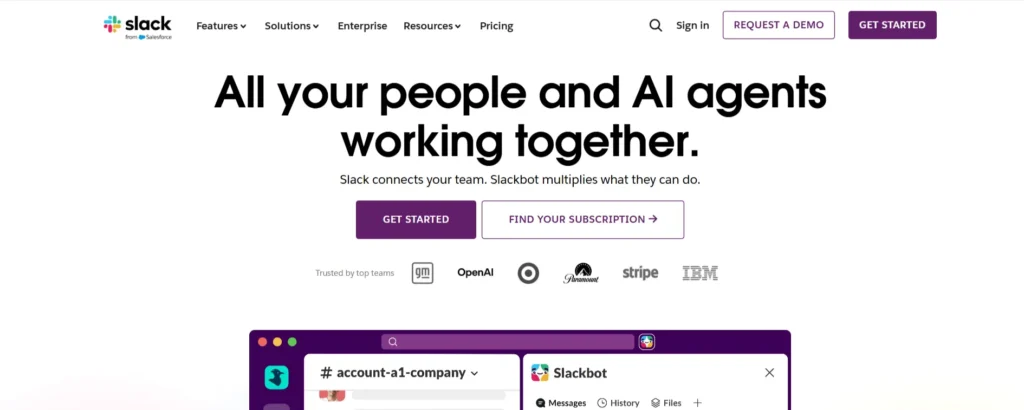
Slack became dominant because it reduced communication friction dramatically.
Quick questions.
Fast collaboration.
Async updates.
Channel-based coordination.
All useful.
But many agencies eventually experience the downside of always-on communication.
Everything starts feeling immediate.
Messages replace systems.
Context disappears into threads.
Important decisions become difficult to recover from later.
Slack works best when it supports operations instead of replacing them.
The strongest implementations usually separate discussion from execution.
Conversations happen in Slack.
Tasks move elsewhere.
That distinction prevents operational drift.
2. Discord
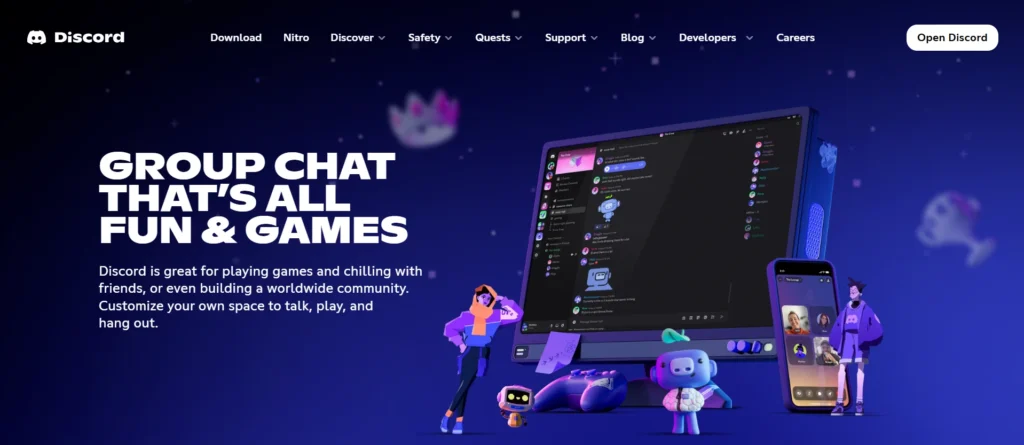
Discord has gradually expanded beyond gaming communities because some remote teams prefer its more community-oriented structure.
It tends to work well for:
- creative communities
- remote-first cultures
- casual collaboration
- voice-heavy environments
But operationally, the same principle applies.
Communication should support systems.
Not become the system itself.
Task Management: Turning Work Into Something Visible
One of the biggest operational upgrades agencies experience is moving from memory-based execution to visible execution.
Work should not depend on who remembers it.
That transition changes everything.
Ownership becomes clearer.
Deadlines become visible.
Capacity becomes measurable.
Priorities become easier to discuss.
3. ClickUp
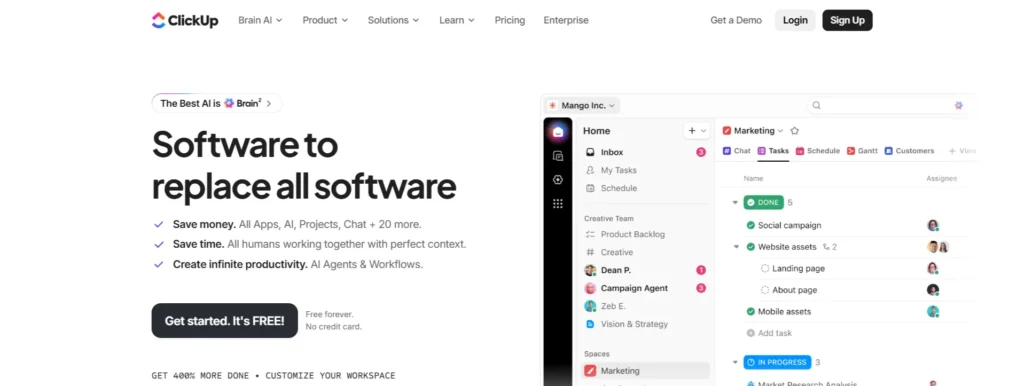
ClickUp became popular partly because agencies wanted flexibility.
Different teams operate differently.
Content teams.
SEO teams.
Design teams.
Developers.
Operations.
The platform allows organizations to build workflows around how work actually moves internally.
But flexibility creates another risk.
Overengineering.
One of the most common mistakes teams make with ClickUp is building systems too complicated to maintain consistently.
The strongest ClickUp environments usually prioritize:
- clarity
- visibility
- repeatability
rather than infinite customization.
A good operational system should reduce thinking.
Do not create more configuration work.
4. Asana
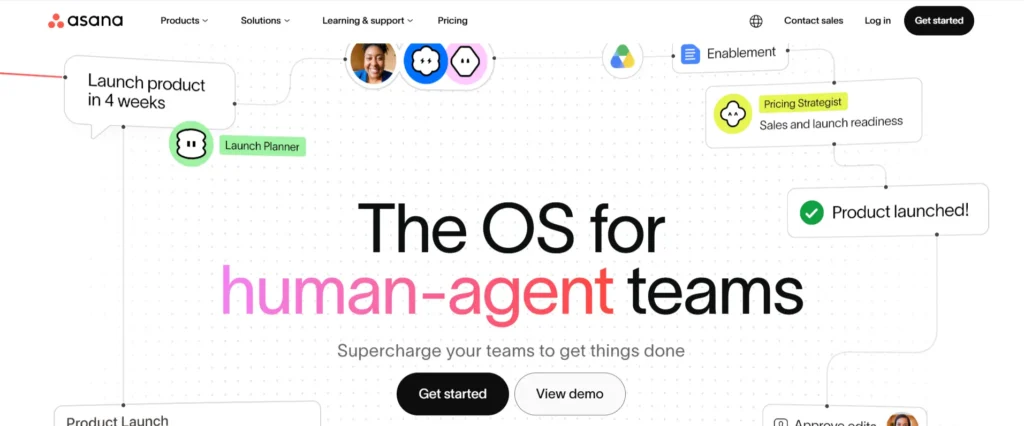
Asana tends to appeal to teams wanting more structure with less customization complexity.
Its strongest advantage is usually operational clarity.
People know where work lives.
That simplicity can become extremely valuable during scaling.
5. Monday.com
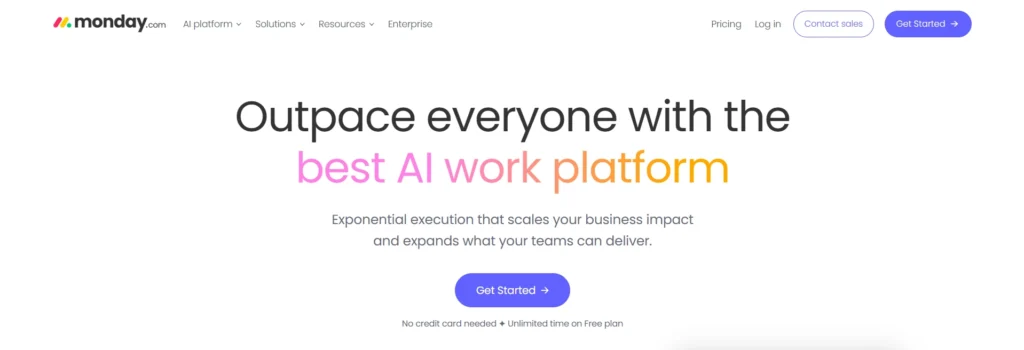
Monday often fits organizations that want visibility across multiple operational layers simultaneously.
Campaigns.
Clients.
Approvals.
Resources.
Timelines.
Its visual structure tends to help teams understand movement more intuitively.
Documentation Systems: Because Agencies Break When Knowledge Stays Inside People
One of the biggest operational shifts agencies experience during growth is this:
Execution stops being the hardest part.
Knowledge transfer becomes harder.
A small team can survive on memory.
People know:
- where assets live
- How reports are built
- How onboarding works
- How proposals are structured
- How client communication happens
But once teams grow, undocumented systems become operational debt.
New hires ask the same questions repeatedly.
Processes become inconsistent.
Work quality varies by person.
Knowledge disappears when employees leave.
This is why documentation systems matter far more than many agencies initially realise.
Documentation is not bureaucracy.
It is operational memory.
And the strongest agencies eventually stop treating SOPs as isolated documents.
They build environments where processes become searchable, reusable, and connected to execution.
6. Notion
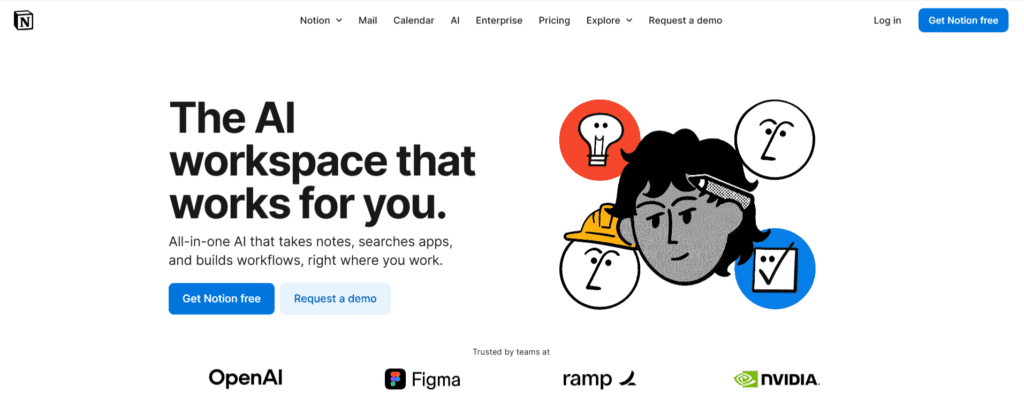
Notion became popular because it blurred the line between documentation, planning, collaboration, and knowledge management.
Instead of forcing teams into rigid structures, it allows information to evolve more organically.
That flexibility matters because operational systems rarely stay static.
Marketing processes change.
Client expectations evolve.
Services expand.
Internal structures shift.
Where Notion works especially well:
- SOP libraries
- content systems
- client onboarding
- campaign planning
- knowledge hubs
- internal wikis
The strongest implementations usually prioritize discoverability.
Teams increasingly enhance documentation workflows with AI-assisted knowledge management and content operations. If you’re building a content-focused knowledge base, these Notion + ChatGPT workflows for content teams can help turn documentation into an active operational system.
Because documentation nobody can find behaves exactly like documentation that does not exist.
One important observation:
Most teams fail with Notion, not because the platform is weak, but because documentation ownership becomes unclear.
Knowledge systems decay when nobody maintains them.
7. Coda
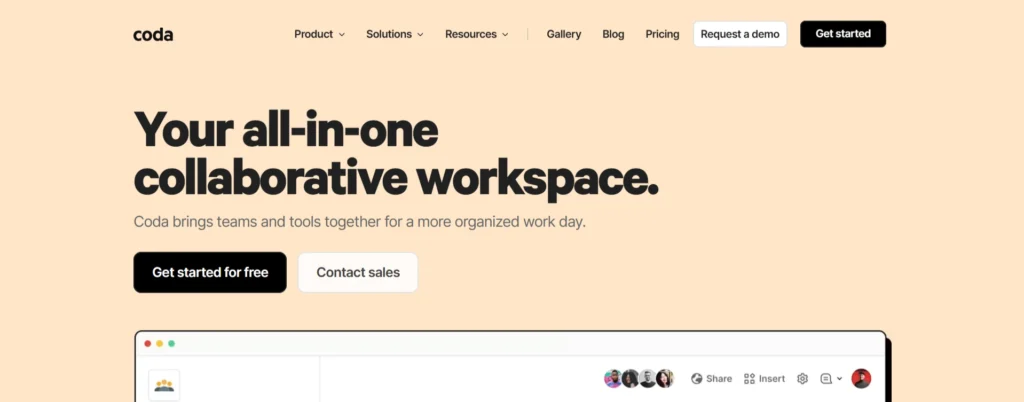
Coda becomes particularly useful when teams want documentation and workflows to behave more dynamically.
Instead of static pages, systems can become interactive operational environments.
That distinction matters for agencies handling:
- approvals
- campaign workflows
- tracking systems
- client operations
The strongest operational systems reduce duplication between documentation and execution.
8. Airtable
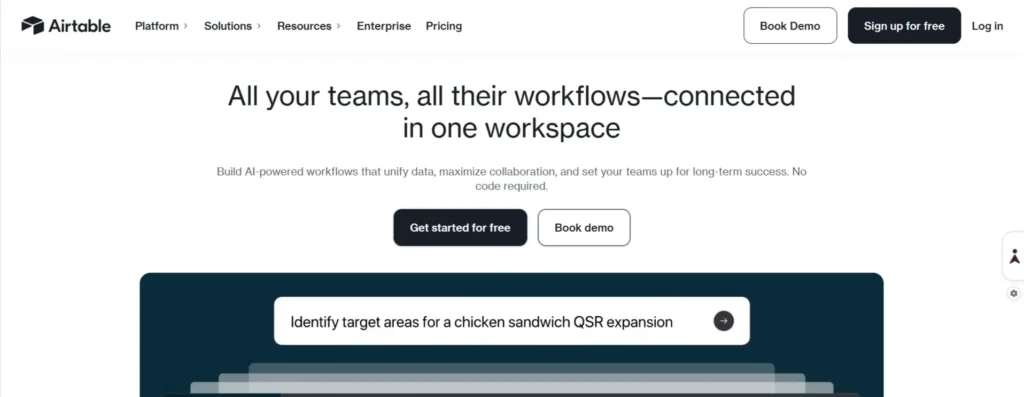
Airtable tends to appeal to teams operating with large amounts of structured operational data.
Content pipelines.
Production schedules.
Campaign tracking.
Asset management.
Editorial calendars.
Its strength is creating visibility across moving operational parts.
And visibility often becomes more valuable than speed.
Because teams move faster when uncertainty decreases.
AI Productivity Layers: Where Teams Try to Protect Attention
One of the hidden costs inside modern agencies is fragmented attention.
People rarely work on one thing at a time anymore.
Messages interrupt tasks.
Meetings interrupt production.
Notifications interrupt planning.
Context switching becomes normal.
The result is not always burnout.
Often it is shallow work.
Teams stay busy while struggling to maintain depth.
This is where AI productivity tools are starting to gain attention.
Not because they magically create discipline.
But they help reduce operational decision fatigue.
9. Motion
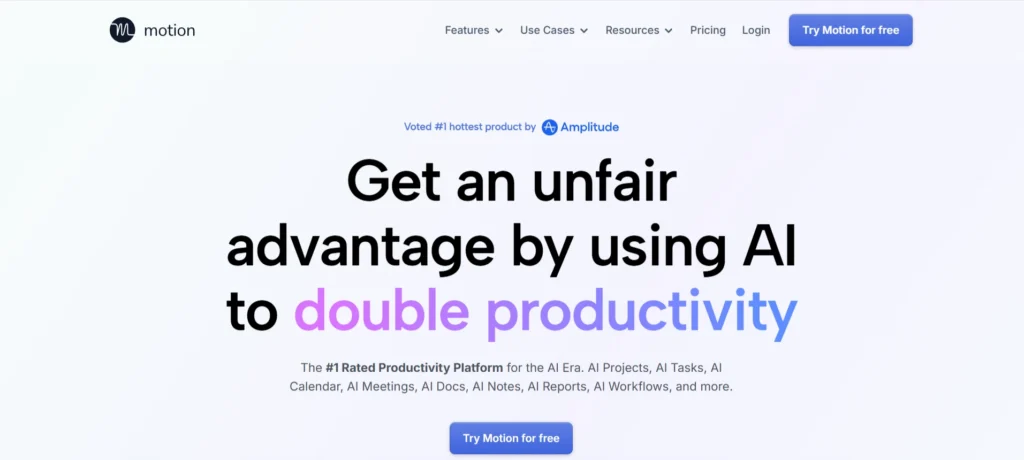
Motion sits at the intersection of task management, scheduling, and prioritization.
Its appeal comes from one growing problem:
Teams know what needs to happen.
They struggle deciding when it realistically fits.
That operational tension becomes especially visible inside agencies where priorities constantly shift.
Urgent requests appear.
Deadlines move.
Clients escalate.
Motion helps create more adaptive planning environments rather than static schedules.
The strongest use cases usually involve:
- high task volume
- calendar-heavy teams
- operations leadership
- execution planning
The goal is not to maximize every minute.
It is reducing planning friction.
10. Reclaim AI
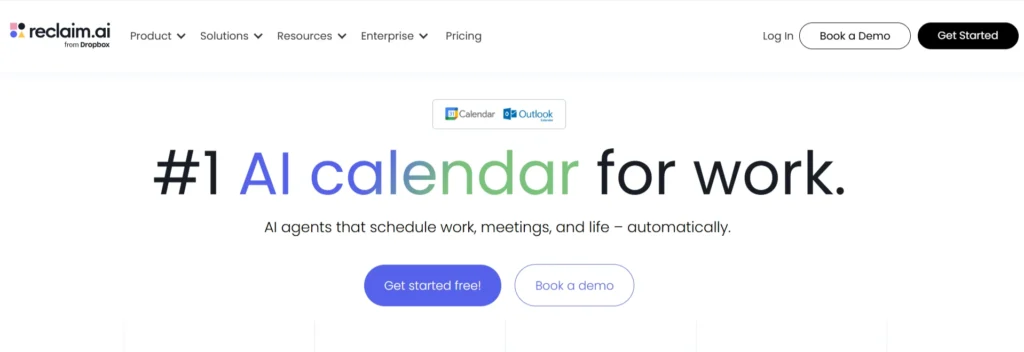
Reclaim approaches productivity differently.
Instead of treating calendars as fixed schedules, it introduces flexibility around how time gets protected.
This matters because many teams accidentally optimize for responsiveness instead of meaningful execution.
Deep work disappears first.
The strongest implementations usually protect focus rather than increasing activity.
11. Taskade
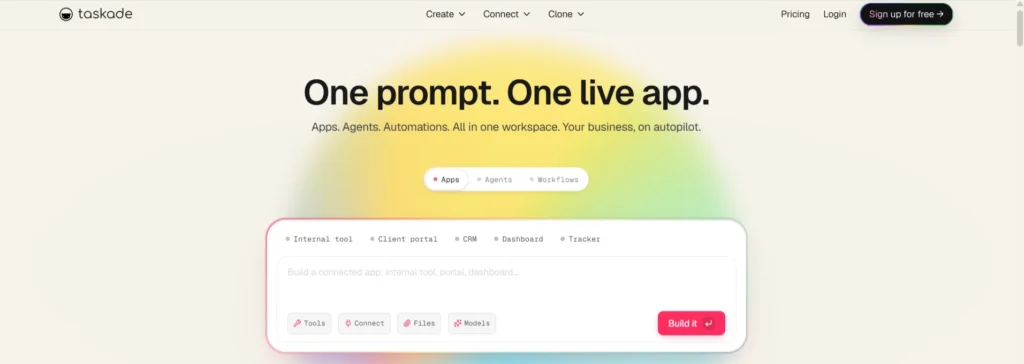
Taskade became increasingly interesting as teams started experimenting with AI-assisted collaboration environments.
Its value is less about replacing project managers and more about reducing operational setup friction.
Teams can move from idea to structured workflow more quickly.
That speed matters during rapid execution cycles.
Automation: The Layer That Removes Repetitive Coordination
Automation is often misunderstood.
People imagine complexity.
But mature automation usually feels boring.
Things simply happen.
Tasks appear automatically.
Status updates sync.
Notifications trigger correctly.
Data moves without manual intervention.
That operational smoothness compounds over time.
Because repetitive coordination creates hidden organizational fatigue.
11. Zapier
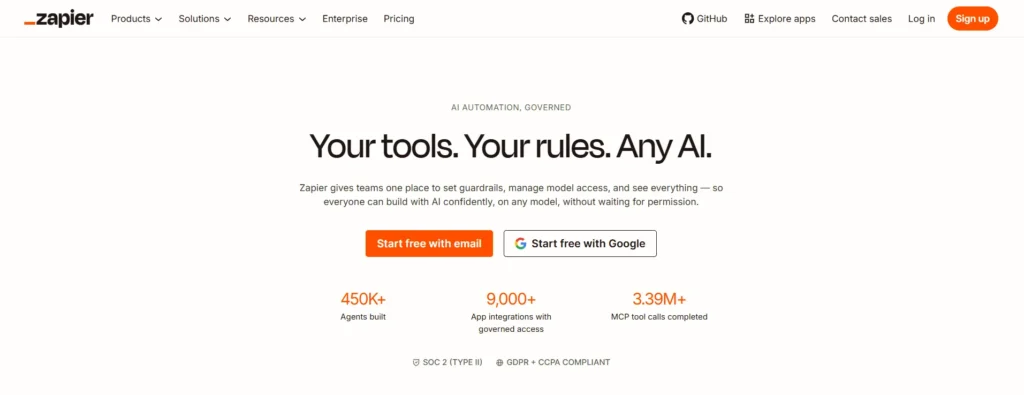
Zapier became foundational for many agencies because it removed dependence on engineering for operational connectivity.
A form submission triggers onboarding.
A signed proposal creates project tasks.
A CRM update sends notifications.
A completed deliverable updates its status.
None of these workflows is individually dramatic.
Together, they reduce operational drag significantly.
The strongest automation systems usually focus on:
- repeatable actions
- predictable workflows
- handoff reduction
The mistake agencies make is automating unstable processes too early.
Automation magnifies operational quality.
Good systems become smoother.
Bad systems become harder to debug.
12. Make
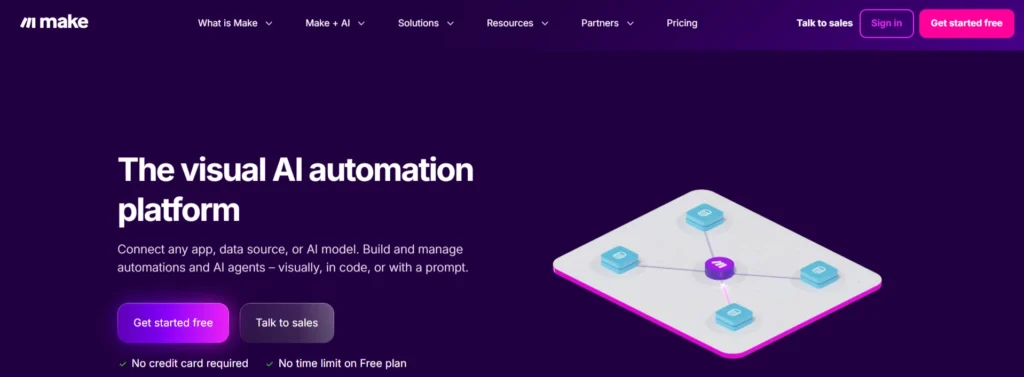
Make appeals to teams wanting more control and visibility across automation environments.
Its visual workflow structure often helps operations teams understand logic more clearly.
That visibility becomes valuable as workflows grow more interconnected.
Especially across:
- marketing
- CRM
- reporting
- client onboarding
- content operations
The strongest operational environments usually automate transitions rather than entire departments.
Recommended Agency Operating Systems by Team Type
One of the biggest mistakes agencies make is copying workflows from companies operating at completely different scales.
A five-person agency does not need enterprise operational complexity.
A fifty-person team usually cannot survive without stronger systems.
These are the operational stacks we would realistically recommend.
The Lean Agency Stack
Best for: Small agencies and consultants.
Stack:
- ClickUp
- Slack
- Notion
- Zapier
Why this works:
- Simple visibility.
- Centralized execution.
- Light automation.
- Low operational overhead.
The Growth Agency Stack
Best for: Teams managing multiple departments and growing client volume.
Stack:
- ClickUp
- Notion
- Make
- Motion
Why this works: This stack improves operational coordination without creating excessive fragmentation.
The Remote-First Stack
Best for: Distributed teams operating asynchronously.
Stack:
- Discord
- Notion
- Reclaim AI
- Airtable
Why this works: It prioritizes visibility, flexibility, and async coordination.